Session Length and Playing Time With Topo Mole Game in United Kingdom

In analyzing session lengths and total playtime with Topo Mole in the United Kingdom, we observe distinct patterns among player demographics. Younger players tend to opt for shorter sessions, while their older counterparts invest more time for deeper engagement. Yet, the longer total playtime among younger gamers shows an intriguing contrast. This discrepancy prompts us to reflect on what motivates these trends and how they influence the game’s appeal across different age groups.
Key Takeaways
- Younger players typically have 15-minute sessions, while older players usually engage for 25 minutes or more in Topo Mole.
- Total gameplay time indicates higher engagement among younger players, despite their shorter session averages.
- Players are motivated by changing challenges and rewards, influencing their session length and overall playing time.
- Limited-time events and social features, like leaderboards, greatly enhance player engagement and session duration.
- Understanding user-friendly controls and rewarding feedback loops can optimize player retention and gameplay experience in Topo Mole.
Overview of Topo Mole Game Popularity
The Topo Mole game has rapidly gained a loyal following among gaming enthusiasts in the UK, presenting a distinctive blend of ease of access and difficulty that appeals to both informal players and serious enthusiasts. At its core, Topo Mole’s captivating game mechanics are crafted to create a gratifying gameplay experience. Players enjoy the intuitive controls, which make it effortless for newcomers to dive into, while the organized levels guarantee progressively increasing difficulty. This balance keeps us coming back for more, continually testing our skills. Furthermore, the vibrant graphics and theme-based elements strike a chord deeply, enhancing our sentimental connection to the game. It’s this mix of welcoming gameplay and complexity that truly cements Topo Mole’s status in the competitive environment of gaming today.
Average Session Length Analysis
Although many elements influence how long we dedicate playing games, examination of session lengths in Topo Mole shows interesting patterns that speak to player engagement. We’ve noticed that average session lengths vary considerably across different player demographics. For younger players, sessions are often shorter, averaging around 15 minutes, possibly due to their inclination for quick, invigorating experiences. Conversely, senior players often play for 25 minutes or more, indicating a greater investment in the gameplay mechanics. This difference emphasizes how session engagement is not just about the game itself but also about the characteristics of the players. Comprehending these session lengths can inform developers about how to adapt future updates to better the gaming experience for different player groups.
Total Playing Time Insights
Across a extensive sample of players, total playing time in Topo Mole provides critical perspectives into overall engagement and user behavior. By examining player demographics, we can understand how different groups interact with the game’s mechanics. Interestingly, younger players tend to accumulate longer gameplay sessions, suggesting an affinity for the game’s dynamic challenges and rewards. In contrast, older demographics often engage in shorter, more focused bursts of play, reflecting varied preferences for game mechanics. Understanding these patterns aids in adapting content and updates to improve user satisfaction. Moreover, high total playing time correlates with enhanced player loyalty, underscoring the need for ongoing analysis to refine our engagement strategies and guarantee that Topo Mole remains enthralling for all players.
Trends in Player Engagement
While analyzing trends in player engagement, it becomes clear that certain patterns emerge concerning how players interact with Topo Mole over time. We’ve noticed that player motivation is largely influenced by the game’s developing challenges and rewards. As players progress, engagement strategies must evolve, offering new content that aligns with their interests. For instance, introducing time-sensitive events has proven successful in reviving interest and lengthening play sessions. Moreover, social interaction features, like leaderboards, foster competition and boost community involvement, driving deeper engagement. By analyzing player feedback, we can continuously refine these strategies, ensuring that Topo Mole remains not just a game, but an ever-changing experience that captivates players and keeps them revisiting for more.
Factors Influencing Game Duration
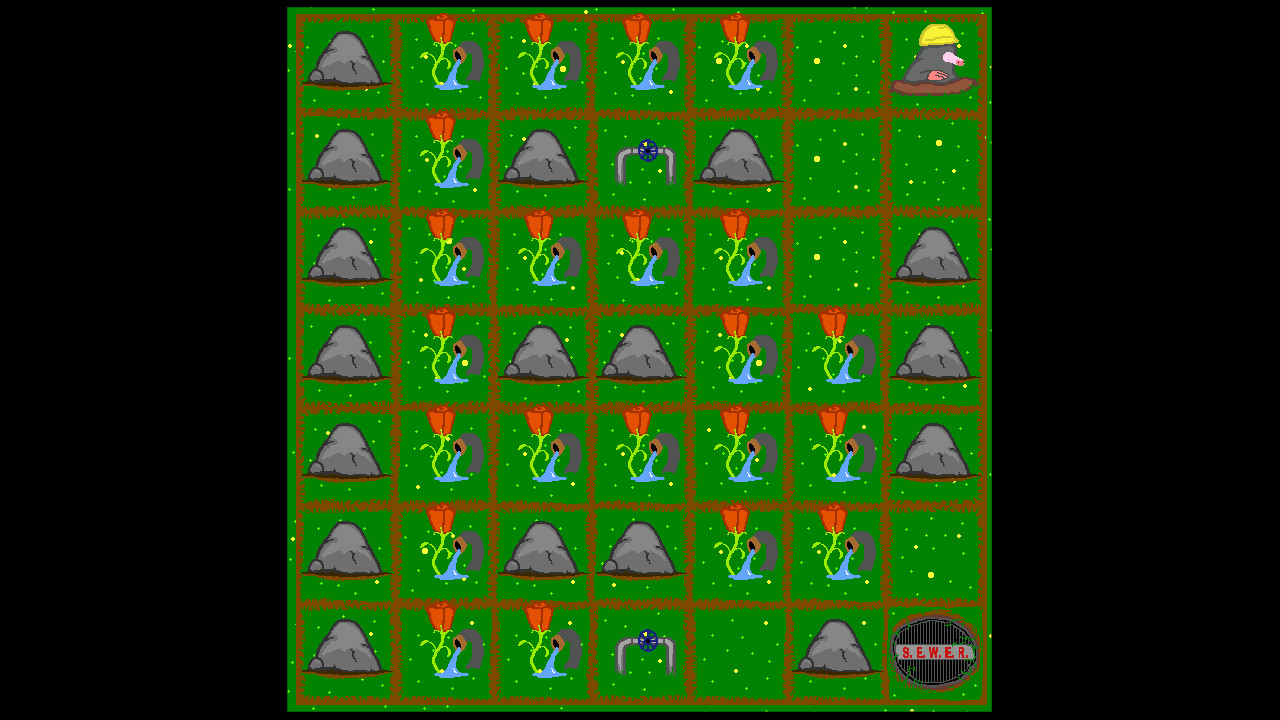
As we examine the factors affecting game duration for Topo Mole, it becomes evident that several factors combine to determine how long players interact with the game. One important element is the game mechanics, which can either promote or obstruct player longevity. For instance, easy-to-use controls and gratifying feedback loops inspire players to stay longer, while annoying mechanics may deter them. Additionally, understanding player motivations plays an important role; players seeking challenge or social interaction will likely invest more time than those seeking a brief distraction. Therefore, by examining these factors, we can better understand how they together affect the overall gameplay experience, ultimately affecting session lengths and promoting deeper engagement with Topo Mole.
Frequently Asked Questions
What Age Group Enjoys Topo Mole the Most in the UK?
We’ve found that children aged 6 to 10 show the most enthusiasm for Topo Mole, likely due to their growth phase. This age group likes interactive play that promotes engagement and aligns with current age trends in gaming.
Are There Any Regional Preferences for Playing Topo Mole in the UK?
We’ve identified definite regional gaming trends across the UK, with player demographics indicating that specific areas, like the North, exhibit a stronger preference for Topo Mole, highlighting local cultural influences on gaming choices.
How Can I Improve My Performance in Topo Mole?
To boost our performance in Topo Mole, we should concentrate on practice strategies like timed drills, evaluate our gameplay for skill development, and embrace feedback from each session to refine our techniques consistently. Let’s improve together!
Is Topo Mole Available on Different Platforms in the UK?
Yes, Topo Mole provides cross-platform integration, permitting various gaming communities to connect smoothly. We can play the game across devices, boosting our experience and encouraging collaboration, making our gameplay more captivating and versatile.
Are There Any In-Game Purchases in Topo Mole?
Absolutely, in Topo Mole, we discover various purchase choices that improve gameplay. Studying in-game economics demonstrates that these purchases can impact our strategies, making them crucial for those looking to maximize their experience.
Blog Express
© 2020 Todos os direitos reservados a AjuExpress Logística - Política de Privacidade
barsan soluções