Using Demo Mode: Try Games for Free
Introduction
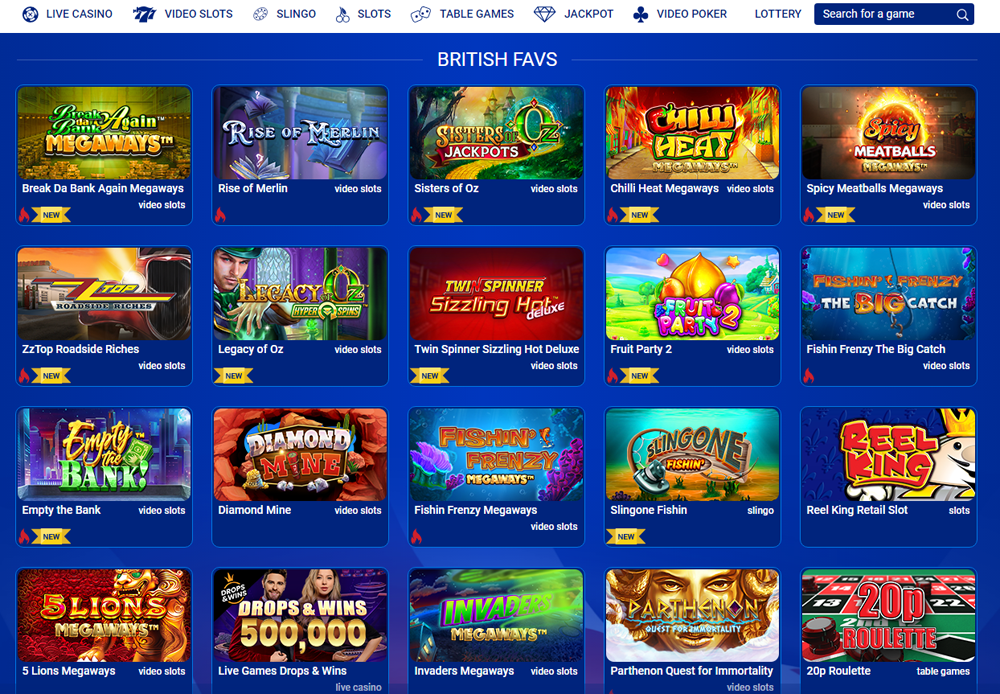
In the ever-evolving landscape of video gaming, players are often inundated with choices, from immersive single-player narratives to competitive online multiplayer experiences. With the plethora of options available, the decision to purchase a game can be daunting, particularly when considering the financial investment involved. To mitigate this uncertainty, many game developers and platforms have introduced a feature known as “Demo Mode,” allowing players to try your luck at Crazy Luck Casino games for free before committing to a purchase. This report delves into the advantages, functionalities, and implications of using demo mode in gaming.
Understanding Demo Mode
Demo Mode refers to a limited version of a video game that is made available to players at no cost. This version typically includes a subset of the game’s features, levels, or gameplay mechanics, allowing players to experience a portion of the game before making a financial commitment. Demos can be found across various platforms, including consoles, PCs, and mobile devices. They serve as a marketing tool for developers while providing players with an opportunity to assess the gameplay, graphics, and overall experience.
Advantages of Demo Mode
- Risk Mitigation: One of the primary benefits of demo mode is the reduction of financial risk for players. By allowing potential buyers to try a game for free, developers enable players to make informed decisions based on firsthand experience rather than relying solely on trailers or reviews.
- Enhanced Engagement: Demos can enhance player engagement by allowing them to connect with the game’s mechanics and narrative. A well-designed demo can create excitement and anticipation, which can translate into higher sales once players are hooked.
- Feedback Loop: Developers can use demo feedback to refine and improve their games. Players often provide valuable insights regarding gameplay mechanics, difficulty levels, and overall enjoyment, which can be incorporated into the final product or future updates.
- Showcasing Innovations: For games that incorporate innovative mechanics or unique storytelling techniques, demos serve as an effective way to showcase these features. Players can experience these innovations first-hand, which can be instrumental in swaying their purchasing decisions.
- Community Building: Demos can foster a sense of community among players. When players share their experiences and feedback, it can lead to discussions that enhance the game’s visibility and popularity.
Types of Demos
- Time-Limited Demos: These demos allow players to experience the game for a set period, typically ranging from 30 minutes to a few hours. After the time expires, players are prompted to purchase the full game to continue.
- Feature-Limited Demos: In this type, players can access a portion of the game but may be restricted from experiencing certain features, levels, or characters. This approach helps maintain the game’s integrity while still providing a taste of what is to come.
- Beta Testing: While not strictly a demo, beta testing allows players to experience a game before its official release. This version may still be in development, and players can provide feedback that helps developers fix bugs and improve gameplay.
- Trial Versions: Some platforms, such as Xbox Game Pass and PlayStation Plus, offer trial versions of games that allow players to experience the full game for a limited time. This approach not only showcases the game but also encourages players to explore additional features.
Platforms Offering Demo Mode
Several gaming platforms and services have embraced demo modes, enhancing the accessibility of games for players:
- Steam: The popular digital distribution platform for PC games often features demos for many titles, allowing players to download and try games before purchasing.
- PlayStation Store: Sony’s platform frequently offers demo versions of games, especially for major releases, giving players a chance to experience new titles ahead of their launch.
- Xbox Marketplace: Similar to PlayStation, Xbox provides demos for various games, allowing players to sample gameplay before deciding to buy.
- Nintendo eShop: Nintendo also releases demo versions for select titles, particularly for its flagship franchises, offering players a taste of the experience.
- Mobile Platforms: App stores for iOS and Android often have free versions of games with limited features, allowing users to try before they buy.
The Impact of Demo Mode on Sales
The presence of demo modes can significantly influence sales figures. Studies have shown that games with demo versions tend to experience higher sales compared to those without. The psychological effect of “trying before buying” can lead to increased consumer confidence, resulting in more purchases. Moreover, demos can create a buzz around a game, especially if they are well-received by the gaming community.
Challenges and Considerations
Despite the numerous advantages, there are challenges associated with demo modes:
- Misrepresentation: If a demo does not accurately reflect the quality or content of the full game, it can lead to player disappointment and negative reviews, ultimately harming sales.
- Resource Allocation: Developing a demo requires time and resources, which some smaller developers may struggle to allocate without impacting the full game’s development.
- Market Saturation: With so many games available, players may be overwhelmed by the number of demos, leading to decision fatigue. This saturation can dilute the impact of demos as a marketing tool.
- Short Attention Spans: In an age of instant gratification, players may not invest the time needed to fully appreciate a demo, leading to a lack of engagement and potential purchases.
Conclusion
In conclusion, demo mode has emerged as a vital component in the modern gaming ecosystem, providing players with an opportunity to experience games without financial risk. By allowing players to engage with a limited version of the game, developers can build anticipation, gather feedback, and ultimately drive sales. While there are challenges to consider, the benefits of demo mode far outweigh the drawbacks, making it an essential tool for both developers and players in the gaming industry. As the market continues to grow and evolve, the role of demo mode will likely become even more significant, shaping the future of how games are marketed and consumed.
Blog Express
© 2020 Todos os direitos reservados a AjuExpress Logística - Política de Privacidade
barsan soluções